Triton 47 › Money, work & society › The maker turn
Future and present: transportation
Index note Gemini list + DALL-E
Mixed authorship: this post combines the author's own writing with text generated by an AI assistant (ChatGPT, Gemini, DeepSeek, Grok or Google AI), usually pasted in and labelled by the author.
Future and present: transportation
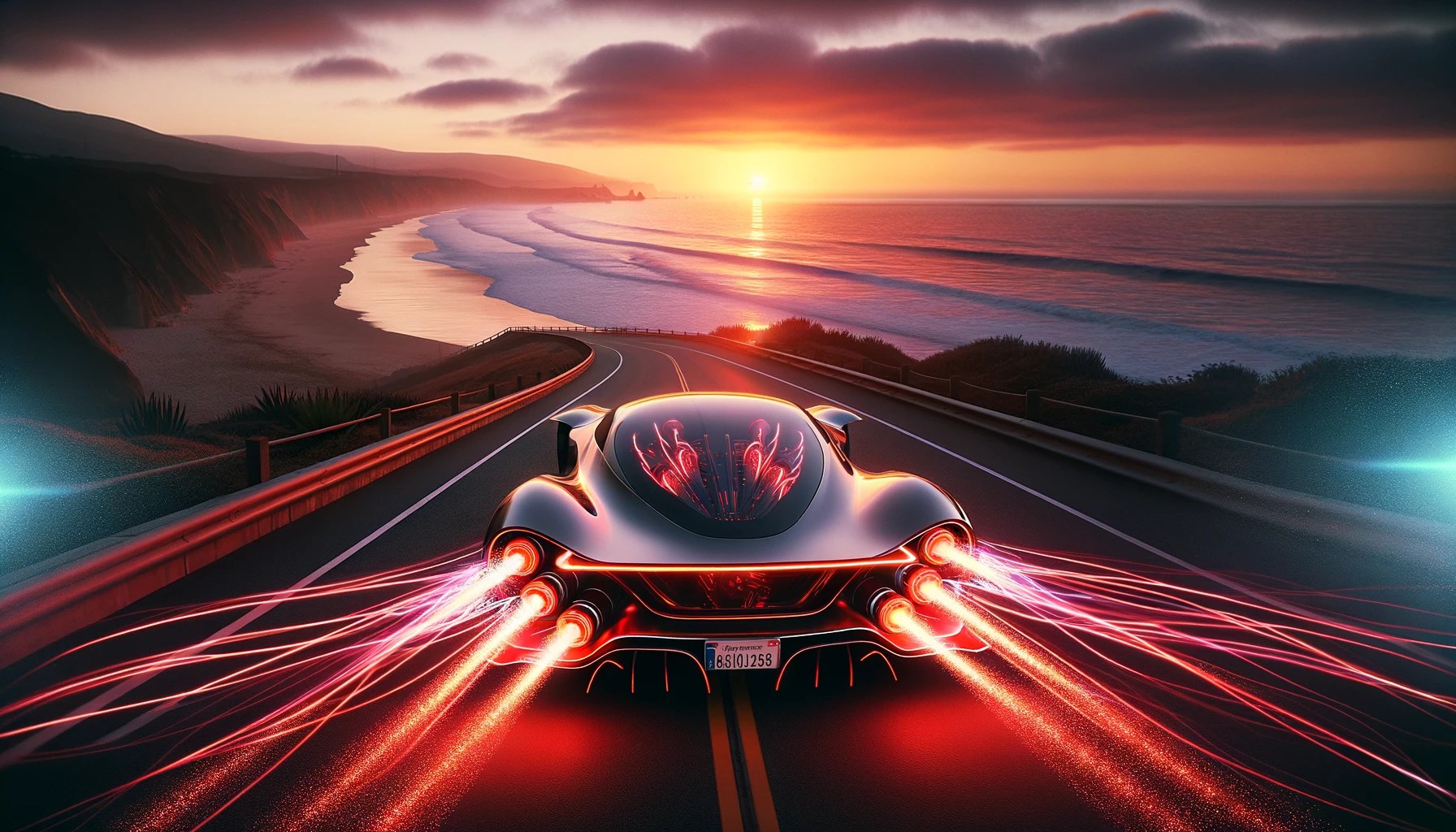
Google Gemini generated, image: DallE3 (ChatGPT4)
Present Transportation
- Cars: The dominant mode of personal transportation. Continued focus on improving fuel efficiency, electric vehicles (EVs), and self-driving (autonomous) technology.
- Public Transport: Buses, trains, subways are vital, especially in urban areas. Expanding routes and incorporating better technologies is key.
- Airplanes: Commercial airliners form the backbone of long-distance travel. Ongoing improvements focus on better fuel efficiency and reduced emissions.
- Maritime Transport: Ships remain essential for global trade, transporting vast amounts of goods.
Future of Transportation
- Hypersonic Flight: The potential to revolutionize air travel with dramatically reduced flight times. Imagine New York to London in under 2 hours. Major research and development are still needed.
- Sustainable Aviation Fuels: Replacing traditional jet fuels with biofuels or synthetic fuels for greener air travel.
- Electric Aircraft: For short and medium-range flights, electric planes promise lower noise and zero-emission operation. Challenges remain for larger, long-range aircraft.
- Flying Cars / Air Taxis: While the idea of personal vehicles taking to the skies is exciting, there are major regulations and infrastructure to be developed.
- Hyperloop: This concept involves high-speed pods traveling through low-pressure tubes. It promises fast, energy-efficient travel over long distances but remains in early testing phases.

Beyond Faster Airplanes

Transportation is constantly evolving, and the focus is on greater efficiency, reduced environmental impact, and smarter systems:
- Connected and Autonomous Vehicles: Cars that communicate with each other and their surroundings for improved safety, better traffic flow, and potential for self-driving capabilities.
- Mobility as a Service (MaaS): Integrating different transportation modes (public, ride-sharing, bike-sharing, etc.) into convenient on-demand services accessible through apps and platforms.
- Smart Cities: Using sensors and data to optimize transportation, reduce congestion, and improve the overall urban experience.
Important Considerations
- Technological hurdles: New ideas need extensive development to become safe and efficient realities.
- Infrastructure: Some of the bolder transportation visions will require significant changes to how roads, airspace, and cities are designed.
- Cost and Accessibility: Ensuring new technologies are equitable and accessible to all is crucial.
The future of transportation is incredibly exciting, with the potential to make travel faster, greener, and more seamless than ever before!

Original: https://triton7777.wordpress.com/2024/03/05/future-and-present-transportation/