Triton 47 › Consciousness & mind › The maker turn
The Layers of Identity: How Games and Surroundings Shape Us
Index note mind dressed in beliefs→body→clothes→house→city; board games as trying on ideologies
“The person is a mind, but the mind has a physical body. The person is given a body, or dressed in a body. The mind is dressed in a body of a person, and that person again is dressed in the clothing, and the person is dressed in the surrounding house of the person. And the house is dressed in the nature or city of the surrounding city.
It is this three-dimensional continuum of this dressing of mind. But at the core, next to the mind, are the thoughts that are there, the ideas, the beliefs. The core mind is the same for all, but we are all differed by ideas, beliefs, shape of our faces. And those are just genes, or the code, and clothing, and so on.”
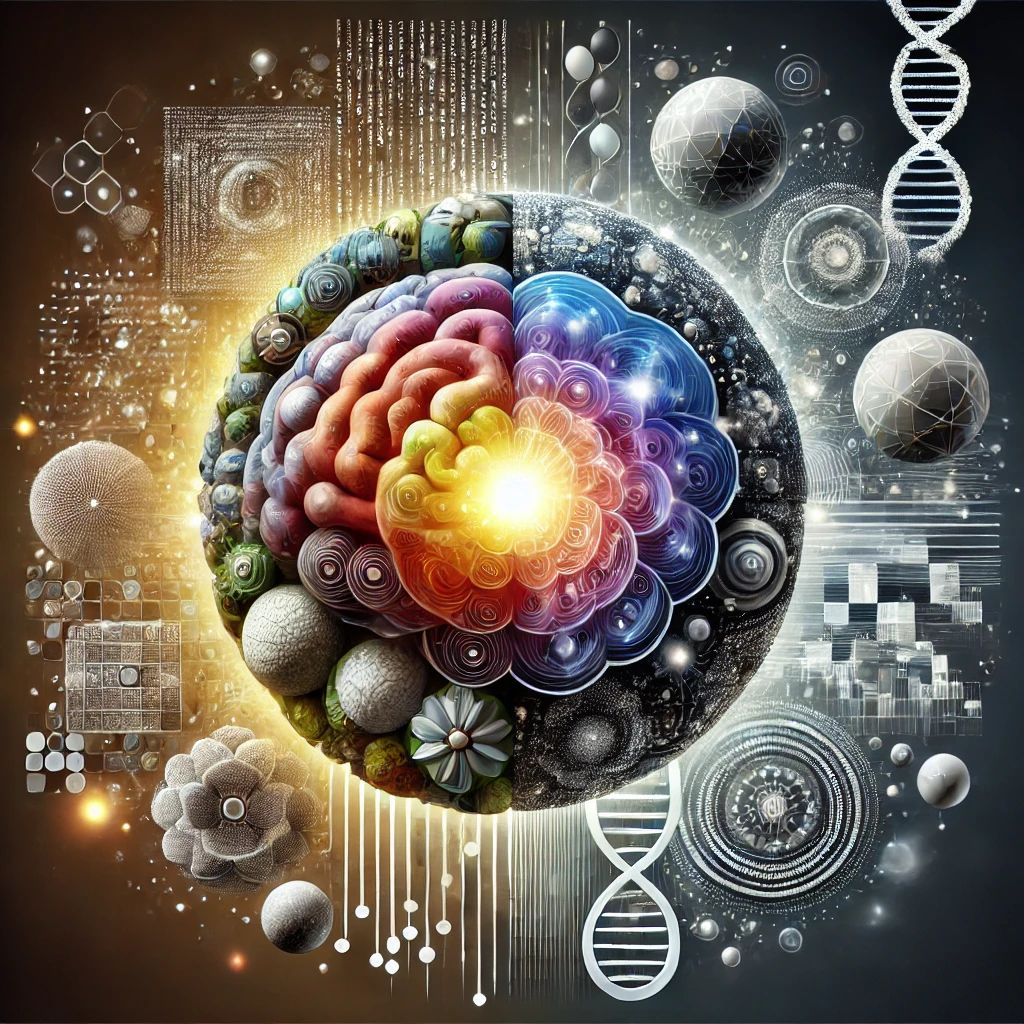
Human identity is a fascinating tapestry, woven from layers of thoughts, beliefs, physicality, and environment. At the core of each person is the mind—a universal essence, shared by all. Yet, this core mind is dressed in layers: first by the thoughts and beliefs it carries, then by the body it inhabits, and finally by the environments and systems it navigates. These layers are not static; they are constantly influenced and reshaped by the experiences we encounter, including the games we play and the ideas they introduce.
The Mind Dressed in Thoughts
At the closest layer to the mind lies our beliefs and ideas. These thoughts are like garments for the mind, shaping how we perceive ourselves and the world. This “mental wardrobe” isn’t chosen in isolation—it is often influenced by external forces like education, culture, media, and even games. A well-designed board game, for instance, can immerse players into a particular worldview. It offers not just entertainment, but an opportunity to “try on” new ways of thinking, challenging their existing beliefs or reinforcing them.
When we play a game that revolves around strategy, ethics, or deception, we momentarily adopt the roles, ideologies, and conflicts embedded within the game’s design. This is a form of subtle indoctrination—not in a manipulative sense, but as an exercise in perspective-taking. These thoughts can linger, becoming part of the mental fabric we wear long after the game ends.
The Body as a Vessel of Identity
The mind is housed within the body, another layer of identity. Our bodies are shaped by genetics, which determine our features, health, and capabilities. But the body is also a canvas, dressed by clothing that reflects our thoughts, culture, and status. Just as the mind can be influenced by the ideas it wears, the body can project those ideas outward through physical expression and adornment. Clothing becomes a statement, a symbol of who we think we are or wish to be.
The House and the World Beyond
The body, in turn, resides in a home, a space we dress with objects, colors, and designs that reflect our inner selves. Homes are extensions of identity, and they exist within a larger context: the city or nature that surrounds them. These external layers—urban landscapes, natural environments, societal structures—shape the individual just as much as the inner layers of mind and body do. They influence our opportunities, our habits, and even our sense of what is possible.
The Continuum of Influence
This multilayered continuum—from mind to beliefs, body to clothing, house to environment—highlights the interconnectedness of identity. Change at any layer ripples outward. A shift in belief may lead to a change in how we dress or how we arrange our homes. Conversely, a new environment or game can introduce ideas that reshape the thoughts we wear at our core.
Board games are a microcosm of this dynamic. They create temporary worlds where players inhabit new roles, try on unfamiliar ideologies, and navigate different rules. In doing so, they reveal how malleable identity can be, how easily we can “wear” new thoughts and perspectives, even if only for a while.
The Universality of the Mind
Beneath all these layers lies the mind, unchanging and universal. This shared essence is what connects us, even as our layers—our beliefs, bodies, and environments—differ. Recognizing this universality can foster empathy and understanding. While the layers we wear might divide us, they are ultimately just that: layers. Temporary, mutable, and shaped by forces around us.
Conclusion: Play as Transformation
The next time you play a game, think of it as more than just a pastime. See it as an opportunity to explore new layers of thought, to momentarily dress your mind in ideas you might never have considered. These layers, whether they come from a game, a book, or a conversation, are what make us distinct. Yet at the same time, they remind us of the shared essence beneath it all—the core mind that connects us all.